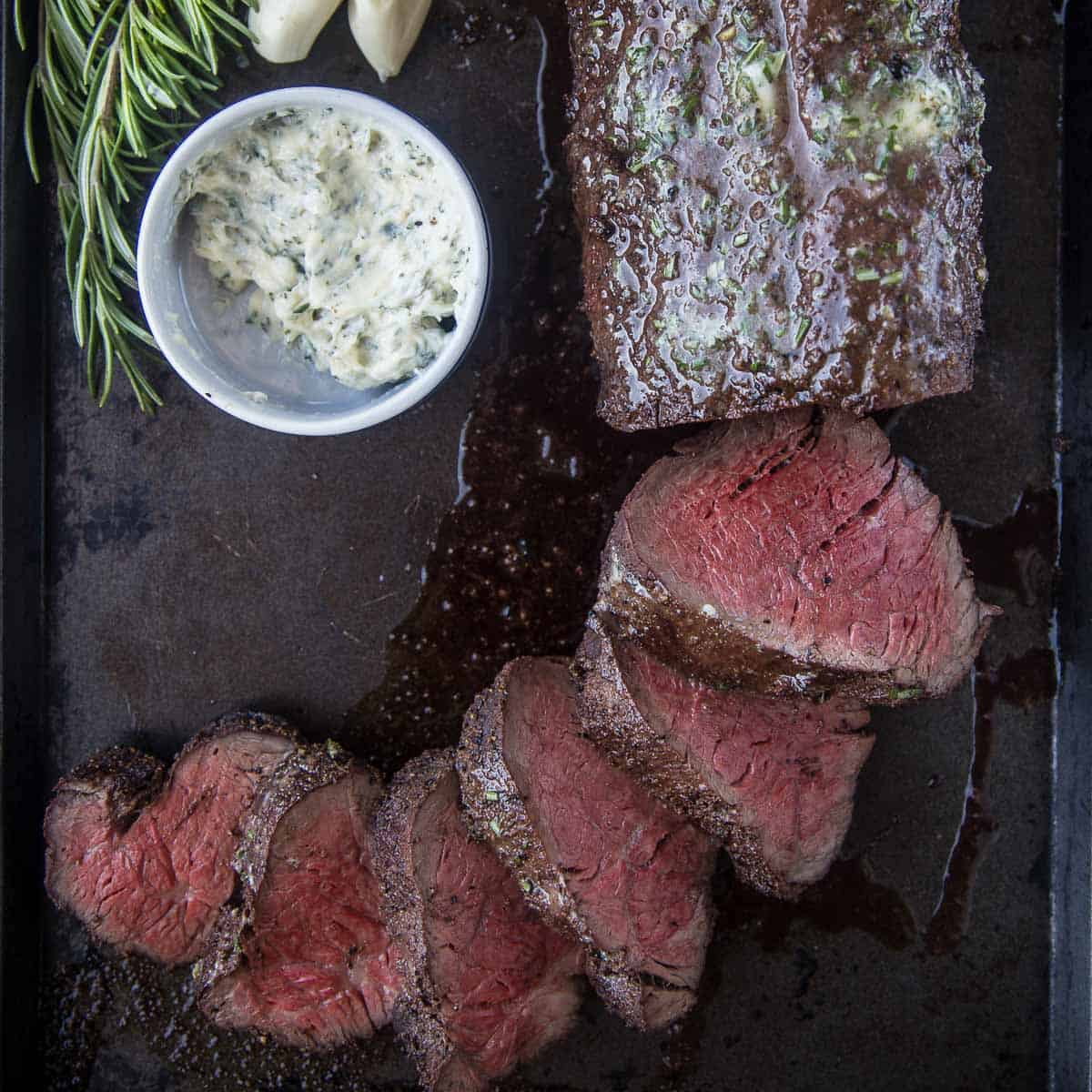
The Allure of Smoked Beef Tenderloin: Why This Cut Reigns Supreme
There are few dishes that command attention quite like a perfectly cooked beef tenderloin. Renowned for its unparalleled tenderness and elegant flavor, this cut of beef is a true show-stopper, making it a staple for holiday dinners and special celebrations. While oven-roasting offers a fantastic approach, as detailed in our guide to Foolproof Oven-Roasted Beef Tenderloin for Holiday Dinners, introducing the element of smoke elevates the experience to an entirely new level. Smoking imbues the tenderloin with a complex, savory depth that can't be achieved by other methods, transforming a classic into a culinary masterpiece.
Imagine a roast so tender it practically melts in your mouth, enveloped in a subtly smoky crust that tantalizes the senses. This isn't just a meal; it's an event. The lean nature of the beef tenderloin means it cooks relatively quickly, making it a less intimidating centerpiece than some larger, fattier cuts. Our goal here is to guide you through a foolproof two-step process – smoking followed by a high-heat sear – ensuring that coveted medium-rare doneness every single time, with a beautiful crust to boot.
Essential Ingredients & Tools for Your Smoked Tenderloin Journey
To embark on this gourmet adventure, selecting the right ingredients and having the proper tools are paramount. Quality makes a significant difference, especially with a prime cut like beef tenderloin.
- Beef Tenderloin, Trimmed: Start with a whole, high-quality beef tenderloin. Look for one that's well-marbled but lean. Trimming is crucial – this involves removing the silver skin, excess fat, and any "chain" pieces. Your butcher can often do this for you, or you can tackle it yourself with a sharp boning knife.
- The Slather: A thin layer of English mustard (Dijon mustard is an excellent substitute, or even Worcestershire sauce) serves multiple purposes. It acts as a binder for your seasonings, helps create a fantastic crust during the sear, and adds a subtle, tangy counterpoint to the rich beef flavor without being overtly "mustardy."
- Premium Seasoning Blends: For a robust flavor profile, we recommend a savory beef rub. A blend like "Meat Church Holy Cow" offers a balanced savory base, while "Meat Church Garlic & Herb" provides an aromatic depth. If you don't have these specific brands, choose a high-quality blend rich in coarse salt, black pepper, garlic powder, onion powder, and perhaps a touch of paprika or dried herbs like rosemary and thyme.
- Horseradish Cream Sauce (for serving): This bright, creamy sauce is the perfect accompaniment. You'll need:
- 1 cup Mayonnaise
- ½ cup Sour Cream
- ¼ cup Freshly Prepared Horseradish (adjust to taste for heat)
- 1-2 tablespoons of your chosen savory seasoning (e.g., "Holy Cow")
- Juice of 1 lemon cheek (to brighten the flavors)
- Optional: 1 ounce Truffle Oil (for an extra layer of earthy luxury)
Key Tools You'll Need:
- Smoker: An offset smoker, pellet grill, or even a kettle grill with a slow 'n sear attachment will work. Consistency in temperature is key.
- Grill for Searing: A grill capable of reaching 500°F+ direct heat is essential for developing that crust.
- Medium Smoke Wood/Pellets: Oak, hickory, or pecan are excellent choices, offering a balanced, medium smoke flavor that complements beef beautifully.
- Reliable Meat Thermometer: This is non-negotiable for precision cooking. An instant-read thermometer and a probe thermometer for monitoring internal temperature during the smoke are highly recommended.
- Butcher's Twine: To tie the tenderloin for even cooking and to help it hold its shape.
- Aluminum Foil: For resting the meat.
The Masterful Two-Step Process: Smoking & Searing for Perfection
The secret to a truly exceptional smoked beef tenderloin lies in this two-part cooking method. It allows the meat to slowly absorb smoky flavor while gently coming up to temperature, followed by a rapid sear that creates an irresistible crust.
Step 1: Preparation & The Smoke Phase
- Trim & Tie Your Tenderloin: Begin by patting your trimmed beef tenderloin dry with paper towels. Use butcher's twine to tie the tenderloin at 1.5 to 2-inch intervals. This ensures a consistent thickness, promoting even cooking and a beautiful cylindrical shape.
- Slather & Season: Apply a moderate layer of your chosen mustard or Worcestershire sauce over the entire surface of the tenderloin. Don't be shy, but ensure it's a thin, even coat. Then, season generously with your savory and garlic herb blends. Allow the seasoning to adhere for at least 1 hour at room temperature. This brief rest also helps the meat relax slightly before hitting the smoker.
- Preheat Your Smoker: Get your smoker dialed in to a consistent 250°F (121°C). Add your preferred medium smoke wood (oak, hickory, or pecan) to create a clean, consistent smoke.
- Smoke Low & Slow: Place the seasoned and tied tenderloin directly onto the cooking grate. Insert a probe thermometer into the thickest part of the tenderloin, avoiding bone or fat. Smoke until the internal temperature reaches 110°F (43°C) for a medium-rare finish, or 120°F (49°C) if you prefer a slightly higher doneness. Rotate the tenderloin once or twice during the smoke if your smoker has hot spots, but otherwise, resist the urge to open the lid frequently.
- Rest After Smoking: Once the target internal temperature is reached, remove the tenderloin from the smoker. Lightly tent it with aluminum foil and let it rest for a crucial 10 minutes. This initial rest allows the internal temperature to stabilize and the juices to begin redistributing.
Step 2: The Searing Phase & Final Rest
While the tenderloin rests after smoking, prepare your searing station.
- Prepare Your Grill: Set up your grill for direct, high heat. You want temperatures exceeding 500°F (260°C) to achieve that perfect crust quickly.
- Sear for Crust: After the 10-minute rest, clip and remove the butcher's twine. Place the tenderloin directly over the high heat. Sear each of the four main sides for 2-3 minutes per side. The goal is a deep, golden-brown crust. If you desire a thicker crust or a slightly higher internal doneness, you can extend the searing time by an extra minute per side. During this searing process, the internal temperature will climb another 5-10 degrees due to carry-over cooking. Aim for a final internal temperature of around 120-125°F (49-52°C) before removing from the grill for a perfect medium-rare after the final rest.
- The Final, Crucial Rest: Once seared, remove the tenderloin from the grill and place it on a cutting board. Tent it loosely with foil again and let it rest for another 10-15 minutes. This second rest is vital. It allows the muscle fibers to relax and reabsorb juices, resulting in an incredibly moist and tender final product. Slicing too early will cause precious juices to run out, leaving you with drier meat.
- Slice & Serve: After the final rest, slice the beef tenderloin into thick, elegant medallions. Serve immediately with the bright and creamy horseradish sauce. For more sauce ideas and pairings, explore our article Elevate Your Table: Classic Beef Tenderloin Recipes & Sauces.
The Perfect Accompaniment: Horseradish Cream Sauce
No magnificent beef tenderloin is complete without a complementary sauce. Our horseradish cream sauce recipe is designed to cut through the richness of the beef, adding a zesty brightness that truly elevates each bite.
To prepare, simply combine the mayonnaise and sour cream in a bowl. Fold in the freshly prepared horseradish, starting with ¼ cup and adding more to your preference for heat. Stir in your savory seasoning blend (like "Holy Cow") and the juice from one cheek of lemon. The lemon juice is crucial here; it brightens all the flavors and adds a tangy zest. For an optional touch of gourmet luxury, incorporate 1 ounce of truffle oil, which adds an earthy, aromatic depth that pairs wonderfully with beef. Mix until well combined and chill until ready to serve.
Tips for Success: Beyond the Recipe
- Invest in a Good Thermometer: We cannot stress this enough. An accurate, reliable meat thermometer is your best friend when cooking expensive cuts like beef tenderloin. It eliminates guesswork and guarantees perfect doneness.
- Don't Fear the Doneness: Many people are intimidated by medium-rare. For a prime cut like tenderloin, medium-rare (130-135°F / 54-57°C final internal temperature) is truly the sweet spot for maximum tenderness and flavor. Anything beyond medium will start to dry out this lean cut.
- Quality of Wood Matters: Use good quality, seasoned wood or pellets. Avoid wood that is overly wet or rotted, as it can produce a bitter, acrid smoke.
- Trim Well: Silver skin is tough and won't render. Removing it completely ensures every bite of your tenderloin is melt-in-your-mouth tender.
- Don't Skip the Rests: Both resting periods are critical. The first rest after smoking allows for initial temperature stabilization, and the second rest after searing allows juices to redistribute, ensuring a moist and flavorful result.
- Embrace the Process: Smoking and searing require a bit of attention, but the reward is immense. Enjoy the process of creating something truly special.
Conclusion
Mastering smoked beef tenderloin is a culinary achievement that brings immense satisfaction and delight to any table. By following this precise two-step process of low-and-slow smoking followed by a high-heat sear, you unlock an extraordinary depth of flavor and achieve that perfect medium-rare, juicy tenderness with an irresistible crust. This dish, though seemingly elaborate, is remarkably achievable with the right techniques and a good meat thermometer. Whether it's for a holiday feast or an intimate gathering, your smoked beef tenderloin will undoubtedly be the star of the show, leaving a lasting impression on your guests. So fire up your smoker, sharpen your knives, and prepare to indulge in one of the best, most tender meats you'll ever enjoy.
