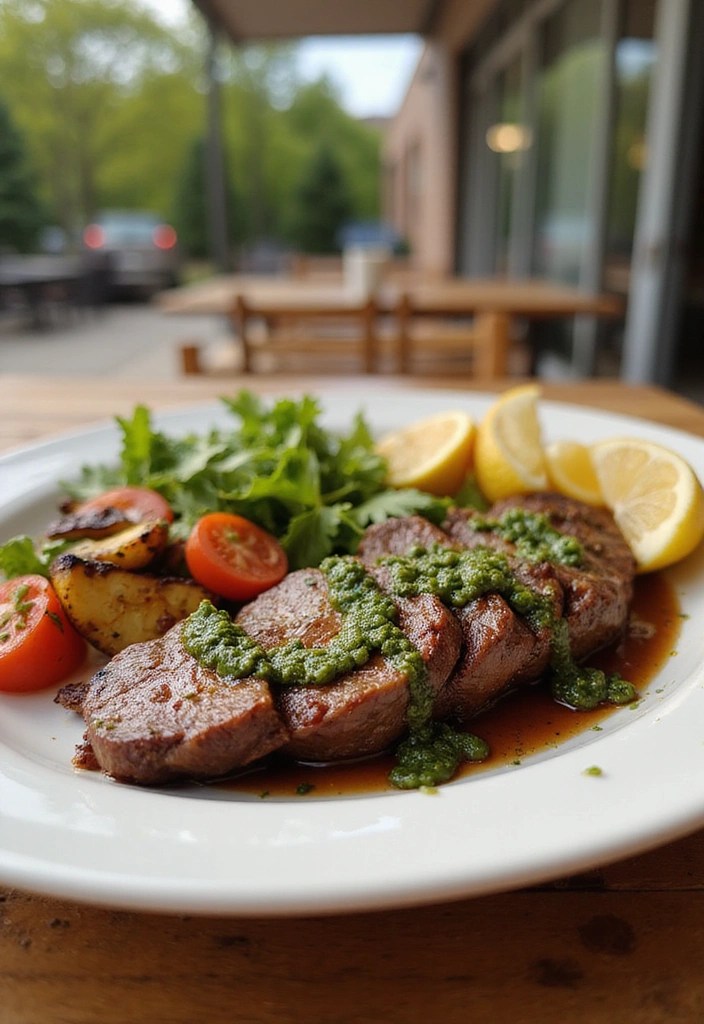
Elevate Your Table: Classic Beef Tenderloin Recipes & Sauces
There are few dishes that instantly evoke a sense of occasion, luxury, and culinary mastery quite like a perfectly prepared beef tenderloin. Renowned for its unparalleled tenderness and elegant flavor, this cut of beef transforms any meal into a celebration. Whether it's a festive holiday feast or an intimate gathering, mastering the art of cooking beef tenderloin promises a show-stopping centerpiece that will leave your guests in awe, and their palates utterly delighted.
Far from being intimidating, preparing this exquisite roast is surprisingly accessible with the right techniques. From smoky outdoor methods to foolproof oven roasts, achieving that melt-in-your-mouth texture and a glorious medium-rare doneness is well within reach. Join us as we explore classic beef tenderloin recipes and essential sauces that will truly elevate your dining experience.
The Allure of Beef Tenderloin: Why It's a Culinary Masterpiece
What makes beef tenderloin so sought after? It all comes down to its unique characteristics. Located along the animal's spine, the tenderloin is a muscle that does very little work, resulting in an incredibly fine grain and minimal connective tissue. This translates to a cut that is exceptionally lean, buttery soft, and virtually melts in your mouth with every bite.
Its mild yet rich beefy flavor acts as a perfect canvas for a variety of seasonings and sauces, allowing its natural deliciousness to shine through. While often considered a splurge, the culinary payoff for a perfectly cooked tenderloin is immense, making it a perennial favorite for significant holidays and special moments. It's the kind of dish that makes memories, transforming a simple meal into an unforgettable event.
Mastering the Cook: Techniques for a Perfect Medium-Rare
The ultimate goal when cooking beef tenderloin is to achieve a pristine medium-rare doneness—typically an internal temperature between 130-135°F—ensuring maximum tenderness and juiciness. There are several tried-and-true methods, each offering distinct flavor profiles and levels of convenience.
The Smoker's Touch: Infusing Deep Flavor
For those who appreciate a rich, smoky depth, cooking a whole beef tenderloin in a smoker is an elevated classic. This method typically involves a two-step process to ensure both smoky flavor and a beautiful crust:
- Preparation is Key: Begin by trimming your beef tenderloin of any silver skin and excess fat. A classic approach involves slathering the tenderloin with a thin layer of English mustard (or Dijon), which not only adds a subtle tang but also helps your chosen seasonings adhere beautifully—a technique famously inspired by Beef Wellington. Follow this with a generous application of your favorite beef rub, perhaps a garlic and herb blend, allowing it to adhere for at least an hour at room temperature. Tying the tenderloin with butcher's twine is essential for an even cook, ensuring a uniform cylindrical shape.
- Low and Slow Smoke: Prepare your smoker to a consistent temperature of 250°F. Opt for a medium smoke wood like oak, hickory, or pecan for a balanced smoky essence. Place the seasoned and tied tenderloin directly onto the cooking grates. Smoke the tenderloin until its internal temperature reaches 110-115°F for a truly medium-rare finish. If you prefer a slightly higher doneness, aim for 120°F at this stage. Rotate the tenderloin occasionally if your smoker has hot spots, but otherwise, let the smoke work its magic.
- The Perfect Sear: While the tenderloin is smoking, prepare a grill for direct, high-heat searing (over 500°F). Once the tenderloin reaches its target internal temperature in the smoker, remove it and tent lightly with foil for a brief 10-minute rest. This allows the internal temperatures to stabilize. After resting, snip off the butcher's twine. Sear the tenderloin for 2-3 minutes per side, rotating it to create a gorgeous, flavorful crust on all surfaces. This quick sear will bring the internal temperature up another 5-10 degrees, aiming for a final medium-rare of 125-130°F. Remember, carry-over cooking will add a few more degrees once it's off the heat.
For an in-depth guide on achieving smoked perfection, explore our article: Master Smoked Beef Tenderloin: Perfect Medium-Rare Every Time.
Oven Roasting: Foolproof Elegance for Any Kitchen
If you prefer an indoor method, oven-roasting offers a "foolproof" path to a tender, flavorful beef tenderloin, ideal for holiday dinners. The secret lies in a two-temperature roasting approach:
- Season and Prepare: Just like with smoking, trim and tie your tenderloin. Season generously with salt, freshly ground black pepper, and robust herbs like rosemary and thyme. You can also rub it with a little olive oil or softened butter before seasoning to help the herbs adhere.
- Low and Slow Start: Begin by roasting the tenderloin at a lower temperature (e.g., 275-300°F). This gentle cooking method slowly brings the beef to temperature, ensuring even doneness from edge to center and preventing the outside from overcooking before the inside is ready. Roast until the internal temperature reaches about 115-120°F for medium-rare.
- High Heat Finish: Once the desired internal temperature is reached, remove the tenderloin from the oven and crank the heat up significantly (e.g., 450-475°F). Return the tenderloin to the hot oven for a quick blast, typically 10-15 minutes, or until a beautiful golden-brown, herb-crusted exterior forms. This high heat caramelizes the surface, adding incredible flavor and texture without overcooking the delicate interior.
This technique guarantees a flawlessly tender interior with a flavorful crust every time. Discover more tips and tricks in our guide: Foolproof Oven-Roasted Beef Tenderloin for Holiday Dinners.
Other Advanced Techniques (Sous Vide, Reverse Sear)
- Sous Vide: For ultimate precision, sous vide cooking involves sealing the tenderloin in a vacuum-sealed bag and cooking it in a precisely controlled water bath until it reaches your exact desired internal temperature (e.g., 129°F for medium-rare). This ensures perfect edge-to-edge doneness. A quick, high-heat sear in a cast-iron pan or grill afterward creates that essential crust.
- Reverse Sear: Similar to the two-temperature oven method, the reverse sear involves cooking the tenderloin at a very low temperature (e.g., 225-275°F) until it's just shy of your target internal temperature, then finishing it with a rapid, high-heat sear to develop a crust. This method is praised for its even cooking and superior crust development.
Elevating the Experience: Essential Sauces
While a perfectly cooked beef tenderloin is magnificent on its own, a well-paired sauce can elevate the dish to new heights. One classic accompaniment reigns supreme:
Creamy Horseradish Sauce
This vibrant, piquant sauce offers a delightful contrast to the rich, tender beef, cutting through its richness with a zesty kick. It's incredibly easy to make and universally loved.
Ingredients:
- 1 cup high-quality mayonnaise
- ½ cup sour cream (full-fat for richness)
- ¼ - ½ cup freshly prepared horseradish, grated (adjust to your desired heat level – fresh offers the best flavor!)
- 1-2 tablespoons steak seasoning blend (such as a 'Holy Cow' style rub or simply salt, pepper, garlic powder)
- Juice of half a lemon (1-2 tablespoons)
- Optional: 1 ounce white truffle oil, to taste (for an extra layer of luxury)
Instructions:
- In a medium bowl, combine the mayonnaise and sour cream until thoroughly blended and smooth.
- Stir in the freshly prepared horseradish. Start with ¼ cup and taste, adding more gradually until you reach your preferred level of spiciness.
- Add the steak seasoning blend and fresh lemon juice. The lemon juice is crucial here; it brightens the sauce and balances the creamy richness and horseradish kick.
- If using, drizzle in the truffle oil and mix well. Truffle oil adds an earthy, aromatic note that complements beef beautifully.
- Taste and adjust seasonings as needed. For best results, cover and refrigerate for at least 30 minutes to allow the flavors to meld. This sauce can be made a day in advance.
Serve dolloped generously alongside slices of your tenderloin for an unforgettable pairing.
Other popular sauces include a classic red wine reduction, a rich béarnaise, or even a vibrant chimichurri for a fresh, herbaceous counterpoint.
Tips for Success: Achieving Tenderloin Perfection
- Invest in a Good Meat Thermometer: This is arguably the most crucial tool for cooking tenderloin. An instant-read digital thermometer ensures you hit that perfect medium-rare without guesswork.
- Trim Properly: Remove any silver skin, which can be tough and chewy. Trim excess fat, leaving just a thin layer for flavor.
- Tie the Tenderloin: Use butcher's twine to tie the tenderloin at 1-2 inch intervals. This creates a uniform shape, ensuring even cooking and preventing thinner ends from overcooking.
- Don't Overcook: Beef tenderloin is lean and delicate. Overcooking will render it dry and tough, defeating its purpose. Always aim for your target internal temperature and remove it from heat slightly before, allowing for carry-over cooking.
- Rest the Meat: This step is non-negotiable! After cooking, tent the tenderloin loosely with foil and let it rest for 10-15 minutes before slicing. This allows the juices to redistribute throughout the meat, resulting in a more tender and juicy final product.
- Slice Against the Grain: When serving, always slice the tenderloin against the grain into ½-inch thick medallions. This shortens the muscle fibers, making each bite incredibly tender.
- Quality Ingredients Matter: Given that tenderloin is a premium cut, use high-quality seasonings, fresh herbs, and the best horseradish for your sauce to truly maximize the flavor experience.
Cooking beef tenderloin is more than just preparing a meal; it's crafting an experience. With these classic recipes and techniques, you're now equipped to create a dish that embodies elegance, flavor, and pure culinary delight. Whether you opt for the smoky allure of the grill or the refined simplicity of the oven, your table will be elevated, and your guests will savor every melt-in-your-mouth moment. So, confidently embrace this exquisite cut and make your next gathering truly extraordinary!
