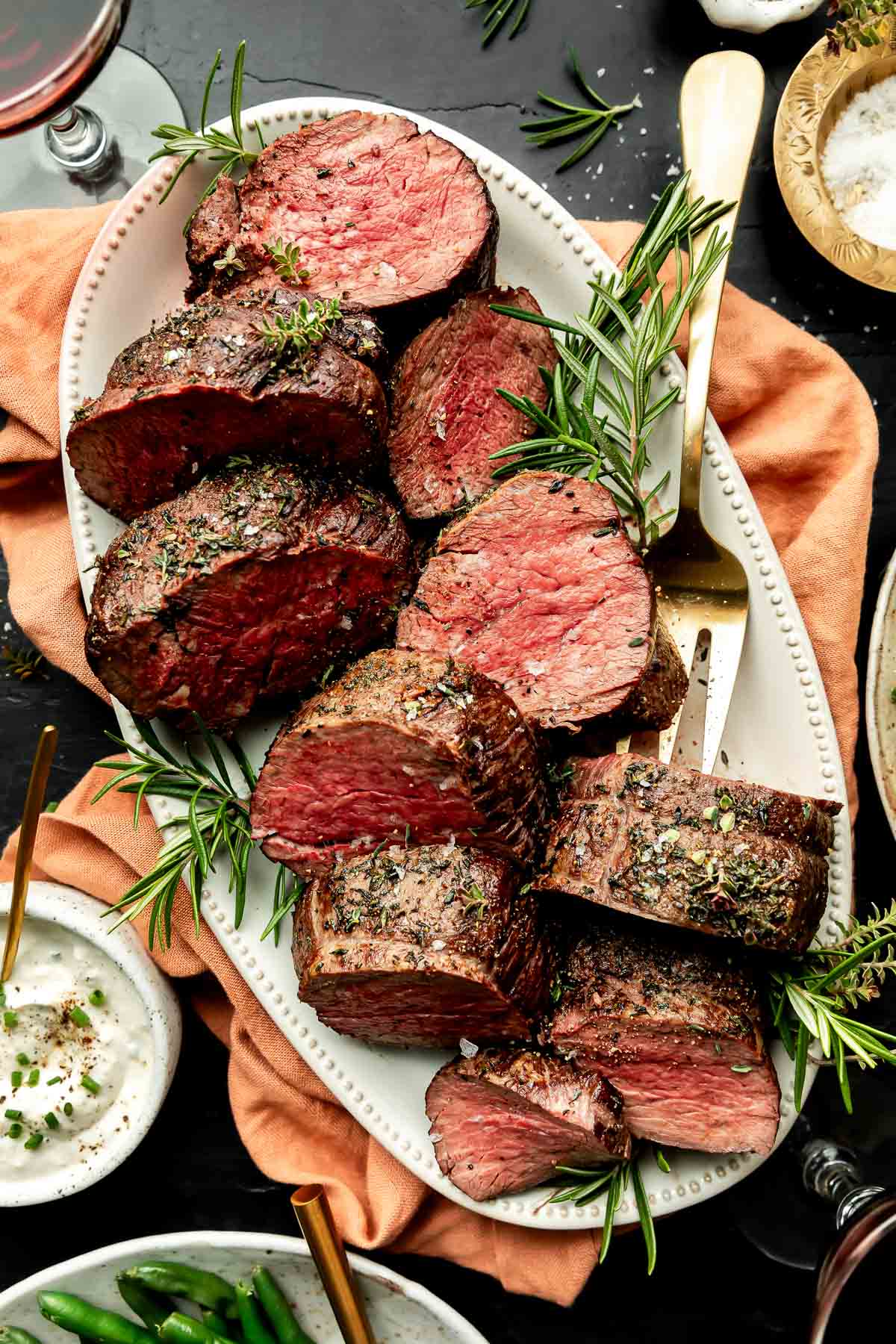
Foolproof Oven-Roasted Beef Tenderloin for Holiday Dinners
Few dishes command as much awe and admiration at a holiday table as a perfectly cooked beef tenderloin. Its inherent tenderness, elegant presentation, and rich flavor make it the quintessential centerpiece for special occasions. While its luxurious reputation might suggest a complex preparation, achieving a show-stopping, melt-in-your-mouth beef tenderloin doesn't have to be daunting. In fact, with our foolproof oven-roasting method, you'll discover it's surprisingly simple to create a flawlessly tender roast with a beautiful herb crust, ensuring every bite is a celebration of flavor and texture. Get ready to impress your family and friends with a truly unforgettable holiday meal that is both exquisite and easy to execute.Why Beef Tenderloin is the Ultimate Holiday Roast
The beef tenderloin, also known as filet mignon when cut into steaks, is prized for its unparalleled tenderness. Located along the spine of the steer, this muscle sees very little work, resulting in a lean, delicate cut that virtually melts in your mouth. For holiday dinners, its elegance is unmatched. It’s naturally impressive, feeds a crowd, and provides that "special occasion" feel without the heavy labor often associated with large roasts. Unlike some other cuts that require slow braising or extensive marinating, beef tenderloin’s natural tenderness shines through with minimal intervention, making it an ideal candidate for a stress-free yet spectacular holiday meal. You don't need a sous vide or specialized smoking equipment; your oven is perfectly capable of delivering perfection.Mastering the Two-Temperature Roasting Method
The secret to a "foolproof" oven-roasted beef tenderloin lies in a brilliant two-temperature cooking strategy. This method ensures the interior gently cooks to an even medium-rare, while the exterior develops a golden-brown, flavorful crust.Step-by-Step Roasting Guide:
- Preheat & Prepare: Begin by preheating your oven to a moderate 250°F (120°C). This low and slow initial roast is critical for gently bringing the tenderloin up to temperature without drying it out. While the oven preheats, ensure your beef tenderloin is at room temperature – this promotes more even cooking.
- The Low and Slow Cook: Place the seasoned and tied beef tenderloin directly onto a wire rack set over a baking sheet. Insert an oven-safe meat thermometer into the thickest part of the tenderloin. Roast in the 250°F (120°C) oven until the internal temperature reaches approximately 110-115°F (43-46°C) for medium-rare. This typically takes 45-60 minutes, depending on the size and initial temperature of your tenderloin. For a slightly higher doneness, like medium, aim for 120-125°F (49-52°C) at this stage.
- The Critical Rest (and Preheat): Once the tenderloin reaches the target internal temperature, remove it from the oven. Loosely tent it with foil and let it rest for a crucial 10-15 minutes. Immediately increase your oven temperature to a blazing 450-500°F (230-260°C). This brief rest allows the juices to redistribute, and simultaneously, the oven gets incredibly hot for the final searing step.
- The High-Heat Blast for a Perfect Crust: After resting, remove the foil. If you used butcher's twine, now is a good time to clip it off. Return the tenderloin to the screaming hot oven for a quick blast, about 8-12 minutes, flipping it once or twice, until a beautiful, golden-brown crust forms on all sides. Keep a close eye on it during this stage, as high heat can quickly lead to overcooking.
- Final Internal Temperature Check: Your goal for medium-rare is a final internal temperature of 130-135°F (54-57°C) after this high-heat blast and before the final rest. Remember, the tenderloin will experience "carryover cooking," rising another 5 degrees or so after it's removed from the heat. For medium, aim for 135-140°F (57-60°C).
- The Final, Essential Rest: Remove the tenderloin from the oven once more, loosely tent with foil, and let it rest for another 10-15 minutes before slicing. This final rest is non-negotiable, allowing the muscle fibers to relax and reabsorb juices, ensuring a supremely tender and moist roast. If you're curious about other methods, you might enjoy Master Smoked Beef Tenderloin: Perfect Medium-Rare Every Time for a different take on tenderloin perfection.
Prepping Your Tenderloin for Perfection
Success with beef tenderloin starts long before it hits the oven. Proper preparation is key to an evenly cooked, flavorful roast.Trimming the Tenderloin:
A whole beef tenderloin often comes with a few bits that need attention. You'll typically find:
- The "Chain": A long, fatty strip running along one side. This can be removed and saved for stock or ground beef.
- Silver Skin: A tough, silvery membrane that won't render or tenderize during cooking. It's crucial to remove this. Use a sharp, thin knife, sliding it just under the silver skin and wiggling it along to separate it from the meat.
- Fat Cap: There might be some excess fat on one end. Trim this down, leaving a thin layer if desired for flavor, or removing it completely for a leaner cut.
- "Chateaubriand" or Head: The thicker, rounded end.
- "Tail": The thinner, tapered end.
After trimming, you might want to fold the tail end under and tie it with butcher's twine to create a more uniform thickness. This ensures more even cooking across the entire roast.
Seasoning for Superior Flavor:
While salt and freshly ground black pepper are a must, elevating your tenderloin's flavor is easy. A classic approach, inspired by dishes like Beef Wellington, involves a thin slather of English mustard (or Dijon) over the entire surface. This not only adds a subtle tang but also acts as a binder for your herbs and spices.
For an aromatic herb crust, combine:
- Coarse salt (like Kosher or sea salt)
- Freshly cracked black pepper
- Minced fresh rosemary
- Minced fresh thyme
- Minced garlic (optional, but highly recommended)
Press this mixture firmly onto the mustard-slathered tenderloin. Allow the seasoned tenderloin to sit at room temperature for at least an hour before cooking. This helps the seasoning adhere and brings the meat to an optimal starting temperature.
The Essential Accompaniment: Homemade Horseradish Cream
A rich, tangy horseradish cream sauce is the perfect counterpoint to the tender, subtly flavored beef tenderloin. It’s incredibly easy to make and can be prepared ahead of time, freeing up valuable kitchen space on the big day. For even more sauce ideas, check out Elevate Your Table: Classic Beef Tenderloin Recipes & Sauces.Ingredients for Horseradish Cream:
- 1 cup good quality mayonnaise
- ½ cup sour cream
- ¼ cup freshly prepared horseradish (or more, to taste – adjust based on desired kick)
- Juice of ½ to 1 lemon (to brighten flavors)
- Pinch of salt and black pepper (or a dash of a savory seasoning blend)
- Optional: 1 ounce truffle oil (for an earthy, luxurious note)
Instructions:
Simply combine all ingredients in a bowl and whisk until smooth. Taste and adjust horseradish, lemon juice, and seasoning as needed. For the best flavor, make it a few hours in advance and let it chill in the refrigerator, allowing the flavors to meld beautifully. The fresh horseradish offers a vibrant, pungent kick that is far superior to jarred varieties.
